The loss of dynamism in the economy of the country negatively impacts Panamanian households and some other sectors, decreasing their ability to get basic consumer goods, such as food and beverages.
Thus reflect data from the Office of the Comptroller-General, indicating a decrease in imports of non-durable and intermediate goods.
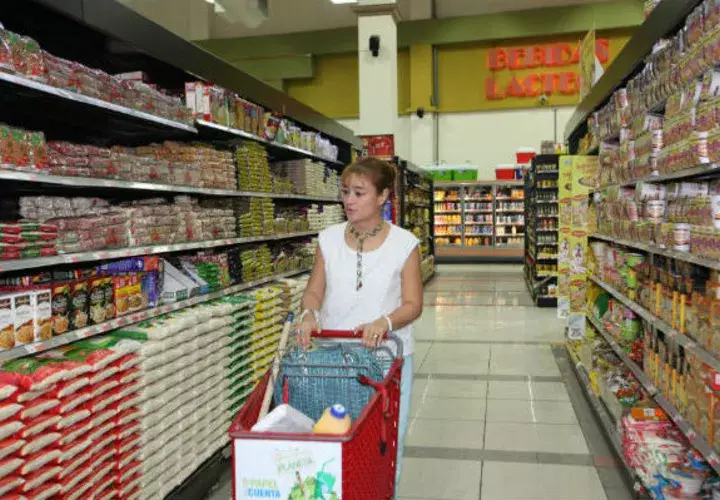
Panama buys international different food products, such as rice, potato, onion, meat, cereals, grains and even cleaning products and some luxury goods, products that are part of the line of non-durable goods, whose import is 17.4% lower during the first quarter of 2016, in relation to that recorded last year.
Official figures indicate that the importation of these goods reached 370 million 512 thousand dollars, about 77 million 954 thousand dollars less than the amount imported in 2015.
This decline is due to the decrease in the purchasing power of Panamanians, according to sources of the Comptroller´s Office, which agree with the statements of experts about the slowdown experienced by the economy.
According to the National Institute of Statistics and Census (Inec), in 2010, the purchasing power had already been reduced to 79 cents per dollar.
Eduardo Gil, of Convergencia Sindical, estimated that the dollar now yields only 67 cents, compared with what it did years ago.
The increase in the cost of these products in the international market has an influence, said the official source.
The situation not only affects the demand for food, but also for other items such as luxury goods consumed by the middle class, sector which, according to Economist Maribel Gordón, has been the most seriously affected one by economic policies and the tax burden.
Also the import of medium-life products, such as clothes, shoes and others, have experienced a drop by low demand in the country, which is evidenced by a lower people traffic in stores.
The Association of Shopping Centers (ACC) has expressed concern about the economic situation in recent years due to the economic slowdown and oversupply.
This same panorama is being experienced with the rest of the items that the country imports. According to the Comptroller's Office, this activity in general, in the first quarter of this year, recorded 2,622 million 611 thousand dollars, 349 million less than in same period in 2015.
Despite the decline in imports, the country's trade balance is still unfavorable.
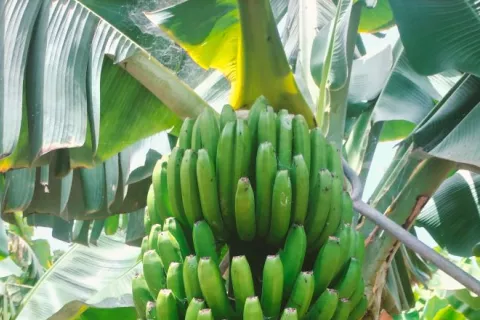
Indicators show that the country experienced a significant drop in the export of major products such as bananas, pineapple, melon, watermelon and shrimp.
Exporters attributed it to the effects of seasonal drought and the decrease in the HA produced by lack of policies directed to the sectors.
For Gordon, this decline in productive capacity not only affects the trade balance of the nation, but also it impacts the ability of revenue we can generate for the domestic economy and that rely heavily on what Panama has to sell to the world.